



Key Takeaways:
- Short-term rentals have grown into a major U.S. lodging category, requiring clear definitions, operating models, and market context before making revenue, policy, or planning decisions.
- Running STRs at scale is an ecosystem and an operating system; it depends on coordinated execution across PMS, distribution, pricing execution tools, compliance, guest operations, and stakeholder reporting.
- Accurate direct-source reservation data is the most reliable foundation for independent, defensible decisions because scraped signals can misstate reality.
As a property manager and destination leader, understanding short-term rentals is crucial for establishing a foundational context for decisions on revenue, regulation, and visitor demand.
Short-term rentals have evolved from a niche, peer-to-peer concept into a major lodging category that shapes how Americans travel and how markets behave. In 2024 alone, the U.S. travel economy generated $2.9 trillion in economic output and $1.3 trillion in travel spending, highlighting the scale of the STR ecosystem.
Within this massive market, demand can shift dramatically in response to events and announcements. When the FIFA World Cup 2026 schedule was released in December, Key Data tracked an immediate booking surge across host cities: properties in these markets recorded over 29% more net reservations than in the same period in 2024, with average daily rates climbing by more than 25%. Some markets experienced even more dramatic shifts—certain host cities recorded year-over-year reservation increases exceeding 1,000% for tournament dates.
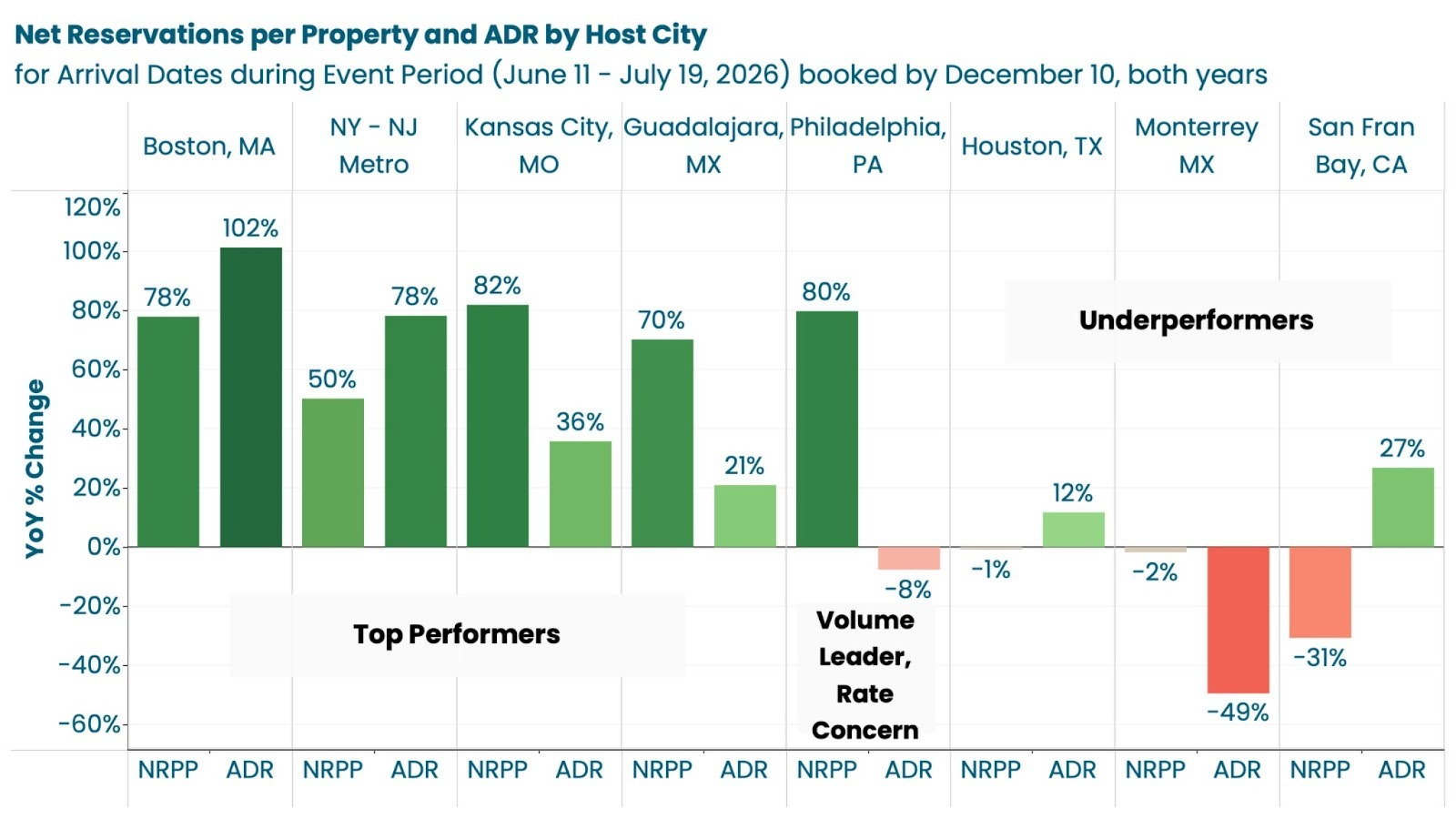
These market dynamics, combined with the sector's scale and regulatory complexity, make accurate, real-time intelligence essential. Whether you're optimizing portfolio performance or tracking visitor patterns across your destination, understanding how short-term rentals actually function is foundational to making confident, data-informed decisions.
In this article, we’ll review what differentiates a STR from hotels, how the STR ecosystem works, and why accurate, direct-source performance intelligence can help you make confident decisions.
What Defines a Short-Term Rental
A short-term rental is a furnished residential property offered for temporary stays, run with hospitality-style operations (turnover, guest comms, distribution).
Article 11, Section 12.7.7 of the Denver Zoning Code defines a short-term rental as a stay of less than 30 days per guest visit.
Core Characteristics
- Duration:
- Typically, fewer than 30 consecutive days per booking or guest stay.
- Property Types:
- Single-family homes
- Condos and apartments
- Vacation homes and resort-area units
- Operational Model:
- Fully furnished and equipped for immediate occupancy.
- Self-service or light-touch onsite support (check-in instructions, smart locks, remote comms).
- Hotel-like cadence with frequent turns, cleaning coordination, and maintenance readiness.
- Booking Channels:
- Marketplaces (Airbnb, Vrbo, Booking.com)
- Direct booking (operator’s website)
- Property management and brand websites
How Short-Term Rentals Differ from Traditional Models
Short-term rentals are not hotels. STRs are typically residential properties used for guest stays, not purpose-built lodging.
Many cities, such as New York, still treat STRs as hotel-like for registration and local tax purposes, especially for stays under 30 days.
Short-term rentals are distinct from long-term rentals. STRs generally operate on short stays (often <30 consecutive days) with frequent turnovers and seasonal demand swings.
They operate more like a hospitality model, with a tighter focus on turnover logistics, guest experience, and pace-based performance monitoring than a traditional lease model.
Short-term rentals are not bed-and-breakfasts. Many STRs are unhosted or self-service, with remote check-in and standardized guest workflows.
Whether a unit is hosted or unhosted can materially change its legal status and compliance requirements, as many local ordinances explicitly permit only hosted rentals or impose stricter registration, residency, and enforcement rules on unhosted units.
Understanding these distinctions can help you understand:
- Regulation, Taxation, and Zoning: Rules can differ sharply by city, and the “<30 days” threshold is a common regulatory trigger.
- Market Analysis: STR performance is often event and season-driven, which changes how you forecast, staff, and prioritize unit-level fixes versus market-wide shifts.
Professional vs. Casual Operations
- Casual Operation:
- Typically, 1–2 properties, manual processes, and limited benchmarking beyond basic platform dashboards.
- Works until operational complexity grows (turnover volume, compliance, owner reporting expectations).
- Professional Property Management Operations:
- SOPs for turnover, maintenance, guest comms, and compliance across units and submarkets.
- PMS + Pricing execution tools + Performance intelligence (benchmarking, pace, forecasting, owner reporting) so decisions are based on evidence and not assumptions.
- Institutional Operators and Hospitality Brands
- As STRs mature, more capital enters the space, and expectations rise around data quality, repeatable operations, and defendable underwriting.
- During the 2025 Sundance period in Park City, RevPAR jumped 72% week over week, alongside notable occupancy and ADR lifts, highlighting how event demand can rapidly reshape performance.
The Short-Term Rental Ecosystem
Key Players in the Market
- Property Owners
- Range from single-asset investors to institutional funds.
- Set investment goals, risk tolerance, and constraints (including owner-use rules).
- PMCs
- Run day-to-day execution across ops, guest experience, and compliance.
- Translate market signals into decisions across pricing approach, marketing, and portfolio strategy.
- Booking Platforms and Direct Channels
- Marketplaces and metasearch distribute demand, while direct booking protects margin and brand control.
- Technology Providers
- A property management system can help you maintain a single source of truth for reservations, blocks, and operational workflows.
- A distribution layer keeps calendars, rates, and content aligned across channels, reducing errors and double bookings.
- Pricing tools can help you automate rule-based price execution based on the rules you set, depending on the market context.
- Performance intelligence and benchmarking can help you validate outcomes, benchmark against booked market reality, and identify what to focus on next.
- Regulatory Bodies
- Local and state rules drive licensing, zoning, tax, safety, and enforcement requirements that vary by market and can shift quickly.
How Revenue is Generated
Rate and Demand Management
Revenue outcomes typically move with demand spikes, seasonality, and booking lead times.
Occupancy Patterns and Seasonality
Performance swings by market and month, so “good” often depends on what your local comp set is doing in the same period.
Fees and Add-ons
Cleaning, service, and other charges can materially affect gross revenue and guest conversions, but they also carry real costs and operational load.
Category 1.1 (Room or unit accommodation for travelers) of the NAPCS Product List for NAICS 721 explicitly includes fees and penalties tied to the stay, making it important to track fees separately from core rent when evaluating performance.
Gross Revenue vs. Net Returns
Gross revenue is what’s collected; net revenue depends on what remains after expenses, taxes, labor, maintenance, platform costs, and owner-use blocks.
From a tax perspective, Chapter 1 of IRS Publication 527 focuses on rental income and deductible expenses for operating a rental activity, which is why clean bookkeeping is essential for accurate net reporting.
Operational Considerations
- Turnover and Maintenance
- Higher turnover means higher coordination costs, including cleaning, inspections, consumables, and preventive maintenance planning.
- Guest Service and Communications
- Messaging, issue resolution, reviews management, and service recovery are operational levers that directly influence conversions and rate resilience.
- Compliance and Licensing
- Permitting, safety requirements, local taxes, and HOA rules can become revenue constraints overnight if not monitored.
- Marketing and Distribution Strategy
- Channel mix affects margin stability, so your strategy should intentionally balance OTA reach with direct booking growth.
- Performance Optimization
- Market data helps you benchmark, forecast, and explain outcomes to stakeholders.
- Use performance intelligence to validate whether your strategy is working, spot risk early, and communicate results clearly.
Why Short-Term Rentals Matter to Real Estate Investors
As an Asset Class
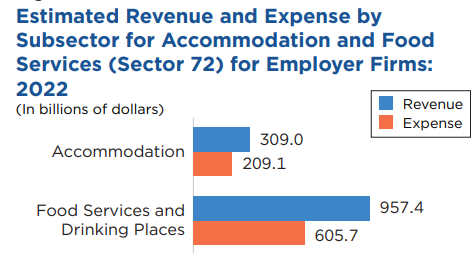
The U.S. Accommodation sector generated $309 billion in revenue in 2022, which explains why STR performance is now closely watched by investors and lenders.
- Return Potential
- STRs can outperform long-term rentals on gross revenue in the right markets, but results are highly sensitive to demand volatility, seasonality, and regulation.
- STR returns are often tied to how well a professional manager executes turnover, distribution, and guest experience, and not just the asset itself.
- Market-Dependent Variability
- STRs can diversify a portfolio because they respond to events, travel industry trends, and local demand differently from traditional leases.
Investment Due Diligence Needs
Market Demand and Revenue Fundamentals
Track pacing (future on-the-books vs. previous year vs. market) to understand whether a market is strengthening or softening before it shows up in trailing statements.
Validate whether demand is being driven by events, seasonality, or structural travel shifts, and not based on individual anomalies.
Supply Dynamics and Saturation
Separate more listings from more booked nights. Inventory growth without matched demand can compress occupancy and erode returns. Build comp sets by like-for-like filters (bedroom count, amenity set, submarket), not similar-looking listings.
Regulatory Environment and Underwriting Risk
STR rules change quickly and affect licensing, caps, taxes, and allowable operating models. Due diligence should include a plan for compliance costs and scenario testing.
Historical and Forward-Looking Revenue Data
- Investors need both:
- Historical performance to understand the baseline economics.
- Forward-looking pacing to understand risk in the next 30 to 180 days.
Importance of Direct-Source Intelligence
Scraped or inferred datasets can misread availability and demand signals. A direct-source performance platform can help your teams answer owner questions like “Is this a property-related issue, a strategy issue, or a market shift?”
Key Data can help your teams see and validate what’s happening in-market and in-portfolio, enabling better decisions.
Performance Measurement
Some core KPIs investors expect to see are:
- Occupancy indicates the effectiveness of demand capture and distribution.
- Average Daily Rate (ADR) indicates the achieved nightly rate, influenced by demand and positioning.
- Revenue per Available Rental (RevPAR) indicates the revenue efficiency combining rate and occupancy.
You can use metrics by:
- Benchmarking each KPI against:
- The local market (to separate market movement from portfolio performance).
- A custom comp set (to compare like-for-like assets).
- Adding pacing to avoid managing purely off trailing results.
As STRs mature, institutional investors are increasingly relying on enterprise-grade data platforms to support:
- Acquisition screening and underwriting assumptions.
- Ongoing asset management and performance reviews.
- Reporting clarity across stakeholders.
You can combine tools to refine your strategy and execution:
- Pricing tools to execute rate automation based on the rules you set.
- Key Data supports benchmarking, pacing, forecasting, and performance visibility.
Why Short-Term Rentals Matter to Tourism and Destination Leaders
Tourism Impact and Measurement
Shifts in lodging supply and demand can materially affect local spending, tax receipts, and seasonal workforce planning. The U.S. Travel Association estimates total travel spending to reach $1.493 trillion by 2029.
Destination reporting often relies on hotel-forward datasets, lagging surveys, or inconsistent STR reporting across channels, resulting in under-visibility into actual lodging volume, stay patterns, and where demand concentrates.
Destination decisions influence permitting pressure, enforcement intensity, event-driven demand, and marketing-led occupancy swings. A better market context can help you explain performance shifts without guessing and without relying on scraped signals.
Destination Planning Considerations
- Supply Volatility
- STR inventory can change quickly due to regulation, seasonality, and investor activity, reshaping competitive pressure market by market.
- DMOs need clarity on whether changes are market-wide or isolated to specific pockets.
- Neighborhood Impact
- Demand often concentrates in a few corridors rather than evenly across a city, affecting transport, parking, noise complaints, and public services.
- Planning works best with submarket-level visibility instead of citywide averages.
- Event-Driven Spikes
- Big events can compress the booking window, push rates, and strain local infrastructure, which makes early readouts valuable for planning.
- The Sundance Film Fest data from 2025 shows how sharp these lifts can be: RevPAR +72%, ADR $810 (+17%), and adjusted paid occupancy 59% week over week.
- This can help you with operational planning for turnovers, staffing, and channel strategy around peak weeks.
The Data Visibility Challenge
- Difficulty in Tracking
- Registration Gaps: Some STRs operate without a licence, don’t renew, or fall into grey areas, so public records can miss activity supply or misstate data.
- Inconsistent Definitions: Short-term rentals vary by jurisdiction (stay length, primary residence rules, zoning), making cross-market comparisons messy.
- Multiple Inventories: Booking can be split across OTAs, direct booking sites, and property manager channels, creating duplicates and blind spots if you only watch one feed.
- Lagging Visibility: By the time tax receipts, surveys, or quarterly reports arrive, you’re often looking at what has happened, and not what’s going on.
- Fragmented Signals
- Multi-Platform Demand: Demand can surge on one channel before it shows up elsewhere, especially around major events.
- Observing Direct Bookings: Operators usually push direct bookings, which improves margins but reduces what third-party public datasets can see.
Destination-focused solutions can combine STR performance with hotel context to show a fuller demand picture for planning and stakeholder reporting.
Real-time occupancy and ADR trends can help you plan staffing, events, and marketing while there’s still time to act.
How Accurate Data Informs Strategic Decisions
Investors
- Market Sizing: Validate whether a market is genuinely expanding or simply re-labelling supply across channels.
- Forecasting and Modelling: Use booked performance and pacing signals to stress-test assumptions across seasons, and not just peak weeks.
- Competitive Positioning: Identify where you’re winning or losing (by unit type, location, and season) before it hits your performance and revenue.
- Portfolio Monitoring: Institutional teams typically rely on enterprise-grade data to standardize underwriting and ongoing performance review across markets.
Tourism Leaders
- True Impact Measurement: Better visibility into STR activity improves economic impact narratives and reduces undercount risk in lodging analysis.
- Campaign Evaluation: Track whether demand lifts are real, when they materialize, and where they concentrate geographically.
- Policy Support: Quantify supply/demand shifts and seasonality patterns to inform licensing, neighborhood management, and capacity planning.
Importance of Direct-Source Data
- Misinformation from Scraped Feeds: Calendar-based availability signals don’t always reflect true booked performance or operational blocks.
- Value of Reservation Information: Direct-source, PMS-connected datasets support clearer benchmarking, pacing, and projections because they’re anchored in booked reservations rather than inferred intent.
- AI Should Eliminate Guesswork: Dex AI helps you interpret performance with context (what’s working, what needs attention, and next moves) to reduce time-to-insights for your teams.
The Evolution and Future of Short-Term Rentals
Short-term rentals have now become a core part of the lodging mix that property management companies, investors, and destination leaders will continue to plan around as rules, demand patterns, and competition evolve.
Reliable, forward-looking market data can help your teams measure what’s really happening in your portfolio and market and make independent, defensible decisions based on verified performance signals.
Request a demo to see how comprehensive market intelligence can support your investment analysis with real-time insights into supply, demand, and performance trends.