



Key Takeaways:
- Tourism demand is shifting faster than pre-pandemic norms, so you need to track booking pace, stay patterns, and seasonality early to protect market share.
- Regenerative travel is becoming the new baseline, and destinations that can prove community and environmental impact with measurable reporting will build stronger traveler trust.
- AI-led trip planning is reshaping discovery, so you must publish structured, question-based content and validate messaging with reliable market data to stay visible in search and AI overviews.
Tourism has entered a new phase of acceleration. Since the pandemic, traveler expectations, booking behavior, and destination priorities have shifted rapidly. Visitors are planning earlier for major events, extending stays, choosing less-crowded destinations, and increasingly expecting personalized travel experiences shaped by technology and data.
The challenge is anticipating where demand is moving next. Marketing budgets, airlift partnerships, event strategies, and stakeholder reporting now depend on understanding emerging travel patterns before they fully materialize.
According to the U.S. Travel Association, total U.S. spending is expected to reach $1.49 trillion annually by 2029, highlighting sustained competition among destinations for visitor demand as domestic travel continues to underpin industry growth.
In this article, we’ll review the future tourism trends shaping 2026 and beyond to help you align campaigns, partnerships, and investment decisions with where traveler demand is heading.
7 Future Tourism Trends to Plan For
Regenerative and Sustainable Tourism Goes Mainstream
Sustainability is moving from “do less harm” to regenerative travel, where tourism actively improves destinations through community investment, environmental restoration, and cultural preservation.
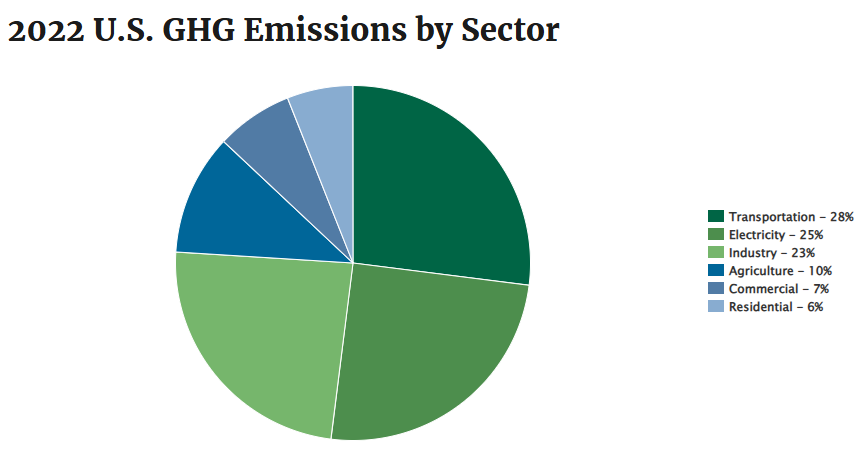
Travelers are increasingly evaluating destinations based on environmental responsibility and local impact. According to the U.S. EPA, transportation is the largest source of greenhouse gas emissions, accounting for 28% of total emissions in 2022, underscoring that destinations are being judged directly based on how they manage their tourism footprint.
Source: EPA
For destination managers, the advantage comes from showing measurable outcomes, not just promotional messages. Priorities include:
- Investment in local businesses and cultural programs.
- Conservation initiatives such as trail restoration or coastal protection.
- Partnerships with eco-certified operators and responsible lodging providers.
- Community-led experiences that more evenly distribute tourism benefits.
To support this credibility, you need a way to measure shifts in lodging demand and seasonality. Using market-level, aggregated lodging performance data can help you track how responsible-travel initiatives correlate with changes in occupancy, stay patterns, demand timing, and report progress transparently.
A practical starting point is:
- Inventory your destination’s sustainability/regeneration proof points (programs, partnerships, policies).
- Build a responsible travel content hub with concrete examples that visitors can choose from.
- Create a simple impact reporting framework (quarterly or seasonal) using consistent KPIs and market benchmarks.
"Coolcations" and Climate-Driven Destination Shifts
Climate is becoming a measurable driver for tourism demand. Increasing summer heat waves are pushing travelers toward cooler coastal, mountain, and northern destinations—a trend often called coolcations.
At the same time, destinations historically dependent on peak summer travel are seeing demand spread into spring and autumn shoulder seasons.
According to NCEI, 2023 ranked as the fifth-warmest year on record in the contiguous United States, with an average temperature of 54.4°F, 2.4°F above the 20th-century average, reinforcing the idea that shifting climate patterns are beginning to influence travel timing and destination choice.
Destinations with temperate climates can leverage their natural advantage by promoting outdoor comfort during peak heat. Warmer markets, meanwhile, can reposition demand by emphasizing shoulder seasons, evening experiences, indoor attractions, and event-driven visitation.
Marketing calendars can no longer rely solely on historical seasonality. Monitoring booking pace and reservation trends can help you identify when demand begins moving earlier, later, or into unexpected periods.
Key Data can provide you with aggregated pacing and booking window insights, helping you understand these shifts.
A practical starting point includes:
- Review booking and occupancy patterns from the past three years to identify climate-driven changes.
- Reallocate seasonal marketing budgets based on emerging travel timing rather than legacy peak dates.
- Promote climate advantages (cooler summers, longer fall seasons) or adaptation strategies where heat risk exists.
- Regularly track pacing trends to determine whether demand shifts are temporary anomalies or long-term behavioral changes.
The Rise of Secondary Cities and "Dupe" Destinations
Traveler behavior is shifting away from crowded flagship destinations toward smaller, more accessible alternatives. Rising costs, congestion, and overtourism concerns are pushing visitors to seek destination dupes, places offering comparable experiences with fewer crowds and better value.
Secondary markets can frame themselves as authentic alternatives to nearby getaway cities, while major destinations can disperse demand by promoting neighborhood-level experiences and off-peak visitation.
Effective positioning includes:
- “Experience the culture of [major destination] without the crowds or the rush.”
- Highlighting local food scenes, arts districts, outdoor access, and walkability.
- Emphasizing accessibility, affordability, and community-driven experiences.
Benchmarking performance against comparable destinations can help you understand where you can gain or lose share. Aggregated market intelligence from Key Data allows you to compare occupancy trends, seasonal demand, and visitor pacing across competitive markets to refine positioning strategies.
Next steps include:
- Identify which major destination your market naturally complements or substitutes.
- Develop messaging centered on authenticity, access, and quality of the visitor experience.
- Promote districts or neighborhoods to distribute visitor flow.
- Use competitive benchmarking insights to validate marketing positioning and campaign timing.
Extended Stays and Bleisure Travel
Remote work flexibility and hybrid corporate travel are driving longer stays, with travelers increasingly blending business and leisure, often extending visits from a few nights to multiple weeks.
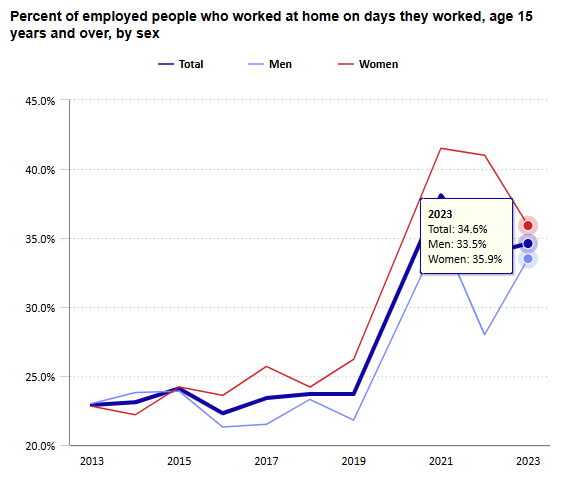
The U.S. Bureau of Labor Statistics reports that 34.6% of employed people did some or all of their work at home on days they worked in 2023, enabling travel that fits around work schedules rather than traditional vacation windows.
Source: U.S. Bureau of Labor Statistics
This shift indicates that demand is expanding beyond weekend and vacation leisure travel periods. Visitors evaluating destinations now look for livability signals, not just attractions.
Key opportunities include:
- Promoting co-working spaces, strong connectivity, and laptop-friendly environments.
- Showcasing neighborhood amenities such as gyms, grocery access, parks, and community events.
- Targeting business travel markets with campaigns encouraging leisure extensions.
- Designing itineraries built around weekly or monthly stays rather than short breaks.
Monitoring anonymized lodging performance data can help you identify whether extended stays are growing locally and which traveler segment is driving them.
Key Data’s aggregate booking patterns and stay-length trends can give you the evidence you need to guide your marketing strategy.
Next steps include:
- Create a dedicated remote-work or digital-nomad landing page highlighting lifestyle benefits.
- Partner with co-working operators, extended-stay accommodations, and professional property managers.
- Develop content focused on “living like a local”, including neighborhood guides and longer-stay experiences.
- Monitor length-of-stay trends regularly to validate whether bleisure demand is strengthening in your market.
Experience Over Accommodation: The Shift Toward Immersive Travel
Traveler expectations are shifting from accommodation quality to memorable, local experiences. Visitors increasingly prioritize cooking classes, cultural workshops, guided tours, and community-led activities over luxury amenities.
Social sharing still influences travel decisions, but authenticity now carries more weight than polished imagery.
The opportunity lies in storytelling. Instead of leading with where visitors stay, successful campaigns are increasingly focusing on what visitors do once they arrive.
Effective approaches include:
- Promoting workshops, festivals, cultural events, and local tours.
- Partnering with guides, artisans, chefs, and experience operators alongside lodging providers.
- Encouraging user-generated content that showcases real visitor moments rather than staged destination imagery.
Understanding which experiences resonate most often requires analyzing visitor behavior patterns across markets and seasons.
Key next steps include:
- Develop curated itineraries or an experience marketplace featuring local partners.
- Highlight storytellers, makers, and culinary leaders in destination content.
- Shift creative assets toward experiential storytelling rather than relying solely on accommodation photography.
- Encourage visitors to share authentic experiences through community-driven campaigns.
Multigenerational Travel and Family-Centric Experiences
Family travel is expanding beyond traditional households, including grandparents travelling with parents and children, increasing both trip value and planning complexity.
These groups typically stay longer, book larger accommodations, and prioritize destinations that offer activities suitable for multiple age groups.
Multigenerational travel changes how your destinations should be positioned. Messaging that highlights flexibility, accessibility, and shared experiences often resonates more than niche or single-activity promotions.
Some effective destination strategies are:
- Showcasing attractions that appeal across age groups, from outdoor recreation to cultural sites.
- Highlighting larger accommodations (3+ bedrooms) suited for family groups.
- Promoting accessible dining, walkable districts, and low-stress itineraries.
- Building sample itineraries that allow different generations to engage at their own pace.
Tracking performance data for larger unit types can help you validate whether local family demand is growing.
The next practical steps include:
- Create family-focused landing pages and ready-made itineraries.
- Partner with attractions, tour providers, and family-friendly property managers.
- Analyze booking patterns for larger properties to identify emerging family travel demand.
- Develop messaging centered on shared experiences rather than individual traveler segments.
Technology, Personalization, and AI-Driven Travel Planning
Trip discovery is increasingly happening through AI-powered search, conversational assistants, and personalized recommendation engines.
Travelers now expect destinations to surface through voice assistants, AI summaries, or tailored travel suggestions.
The visibility of your destination increasingly depends on how well your destination content can be understood by AI systems. Traditional SEO alone is no longer enough; you must structure information so that AI tools can confidently summarize and recommend it.
Key strategic adjustments include:
- Creating clear, question-based content that answers traveler intent directly.
- Structuring pages with strong headings, concise explanations, and factual clarity.
- Offering simple personalization tools such as traveler-type quizzes or curated guides.
- Monitoring how AI platforms describe your destination and correcting gaps or inaccuracies.
Reliable performance data is crucial in such environments.
The next practical steps are:
- Audit destination websites for AI-friendly structure (clear headers, FAQs, concise answers).
- Develop comprehensive destination guides that AI tools can reference confidently.
- Test how platforms like ChatGPT and Google AI Overviews present your destination.
- Align content updates with verified visitor data to maintain accuracy across AI search environments.
Position Your Destination for 2026 and Beyond
Tourism trends are creating both opportunities and risks for DMOs. Destinations that spot shifts early are more likely to capture demand from shifting and emerging visitor segments and to defend market share.
The practical advantage comes from validation. Your data should support better decisions. With real market visibility, you can confirm whether demand is moving into shoulder seasons, whether the length of stay is changing, and which traveler segments are actually showing up.
Understanding how tourism trends are impacting your specific market requires comprehensive lodging data and forward-looking insights. Request a demo to see how DestinationData can help you track visitor behavior, seasonal shifts, and booking patterns to adapt strategies and capture emerging travel segments.